
Getting Better at Scuba Diving
Simple Ways to Grow Your Skills
Improving your scuba diving skills isn’t about chasing depth or collecting certifications — it’s about becoming more relaxed, more aware and more in control underwater. Even small adjustments in buoyancy, trim or finning can make your dives smoother and far more enjoyable.
Here are some practical tips to help you take your scuba diving skills to the next level:
Spend time underwater
The most effective way to improve is simply to dive more. Plan a few dives throughout the year — during holidays, weekend trips or even at local sites near your home. Many divers are surprised to find dive centers or lakes close by. Staying active helps keep your skills fresh and your confidence high.
Equipment
You don’t need to buy a full set of gear right away, but having your own equipment makes a big difference. It helps you feel more comfortable and consistent underwater. Start with a mask that fits perfectly, then add pieces over time. Second‑hand gear is also a great option.
Fins, for example, can influence your trim: heavier fins help if your legs float, lighter fins work well if you have strong leg muscles.
Buoyancy and underwater movement
Good buoyancy starts with using the right amount of weight and placing it correctly. Avoid diving overweighted — if you feel too heavy, try reducing a little on your next dive. Small adjustments can make a big difference.
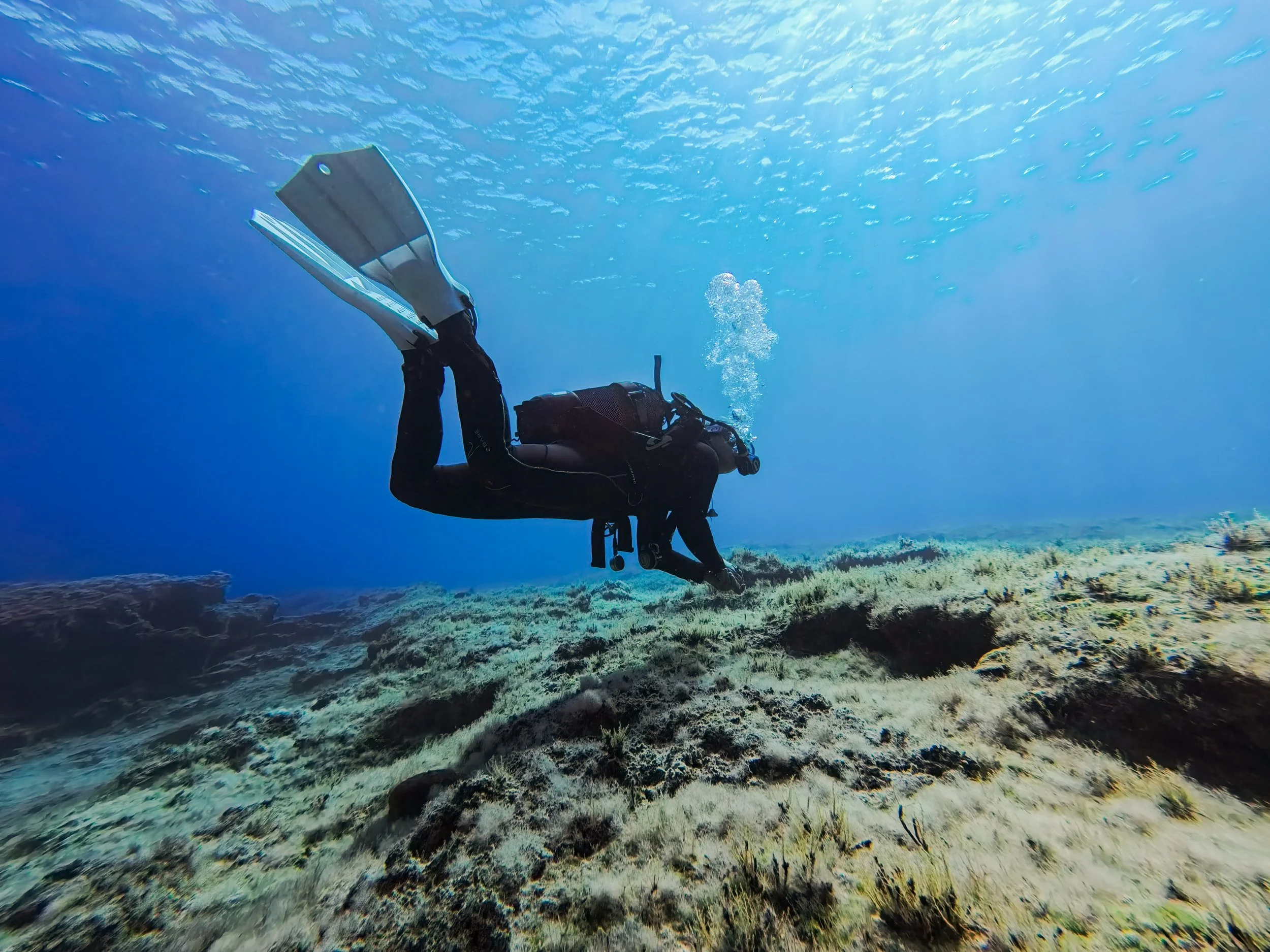
Aim for a horizontal trim: shoulders, hips and knees in one line, arms relaxed and your head facing forward or slightly down. Your lower legs should stay close to vertical. You’ll need a bit of core tension to hold this position but it becomes easier with practice.
Finning technique is just as important. While the flutter kick is usually taught first, the frog kick offers better control, supports a stable trim and uses less energy. It also helps protect the environment by reducing the chance of stirring up sand or damaging marine life.
Once you’re comfortable with the frog kick, you can build on it with more advanced techniques like the reverse kick (moving backwards) and the helicopter turn (rotating in place). These skills give you precise control and make your diving feel smoother and more effortless.
Breathing
Slow, steady breathing makes a big difference. Pay attention to how your body reacts to each inhale and exhale. Calm breathing helps with buoyancy, reduces air consumption and keeps you relaxed throughout the dive.
General Fitness
Diving is peaceful but it still requires basic fitness. Staying hydrated, getting enough sleep and adding regular movement to your day help you feel better in and out of the water. A healthy body makes carrying equipment and controlling your movements underwater much easier.
Further education and knowledge development
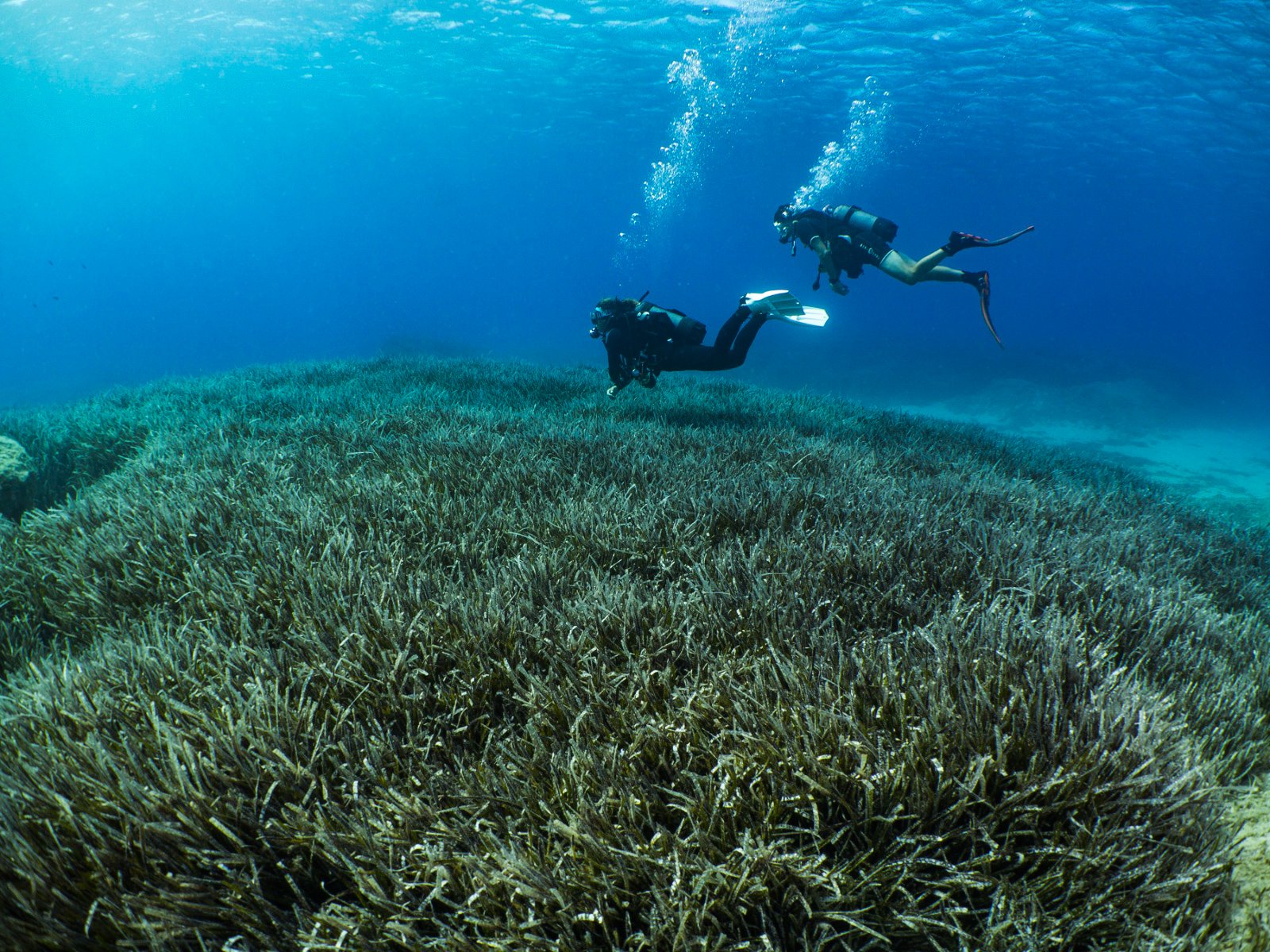
Keep learning. Courses like the PADI Advanced Open Water Diver, PADI Peak Performance Buoyancy or PADI Deep Diver help you sharpen your skills and build confidence.
Ask your instructor for feedback — they’ve been through the same learning process and are usually happy to share tips and practice with you.
Ready to Improve Your Diving Skills?
Cyprus offers the perfect playground for you to practice. With easy shore dives, clear visibility, warm water and exciting, more advanced wrecks dives, you’ll find ideal conditions for every level. At Hydrosphere Dive Club, we teach in small groups only (max. 2 students per course) so your instructor can focus fully on your progress.
And since you made it this far, here’s a little bonus:
Book any 2 or more PADI courses or specialties with us and receive 15% off your total amount. Use the code #readytoimprove when you contact us to find the perfect courses for your needs.
Disclaimer:
Not combinable with other discounts. Offer valid for 2026 only (booking and courses must take place in 2026) and only for PADI courses / PADI specialties mentioned on our website.